Maintaining an electric motor, particularly Industrial Electric Motors, involves various challenges and requirements. Users commonly face issues such as reduced efficiency, overheating, and mechanical failure, which could stem from insufficient maintenance practices. Understanding the real intentions behind these struggles enables us to address them effectively. For example, one factory owner shared that after implementing a strict maintenance schedule, they reduced operational downtime by 25% and extended their motor lifespan by 30%. This article will cover the essential steps for proper electric motor maintenance, ensuring efficiency and longevity. Terms like "preventive maintenance," "lubrication systems," and "thermal management" will be explored in detail throughout the article.
Before embarking on your electric motor maintenance journey, it is essential to gather the necessary tools and materials. Here’s a comprehensive list of what you need:
In addition to tools, ensure you have access to the user manual specific to your motor model. Documentation, such as schematics and maintenance logs, can be invaluable.
Begin with a thorough visual inspection of the motor. Look for signs of wear or damage such as frayed wires, corrosion, or physical deformities. Document your observations for future reference.
Use a degreaser and a brush to clean the motor casing, vents, and any accessible areas. Ensure to wipe down all surfaces with a cloth after applying the degreaser. Aim for a clean surface without residues to avoid overheating issues.
Inspect all wiring connections for tightness and signs of overheating, which can result in decreased efficiency. A loose connection can increase resistance and cause overheating. Tighten any loose connections appropriately.
Utilize a multimeter to check voltage and current. Compare these values against the specifications listed in the user manual. Consistent abnormal readings can indicate issues like electrical imbalances.
Using the appropriate type of lubricant, apply a coat to the bearings. Over-lubrication can be as detrimental as under-lubrication—maintaining a balance is essential.
If your electric motor has cooling fans, ensure they are clean and operational. Blocked airflow can lead to overheating, which not only affects performance but can lead to severe damage.
Monitoring vibration levels with a vibration analyzer can indicate misalignments or imbalances. Regular analysis can lead to early detection of issues, potentially reducing costly repairs.
For a visual representation of the process, see the image overview here: 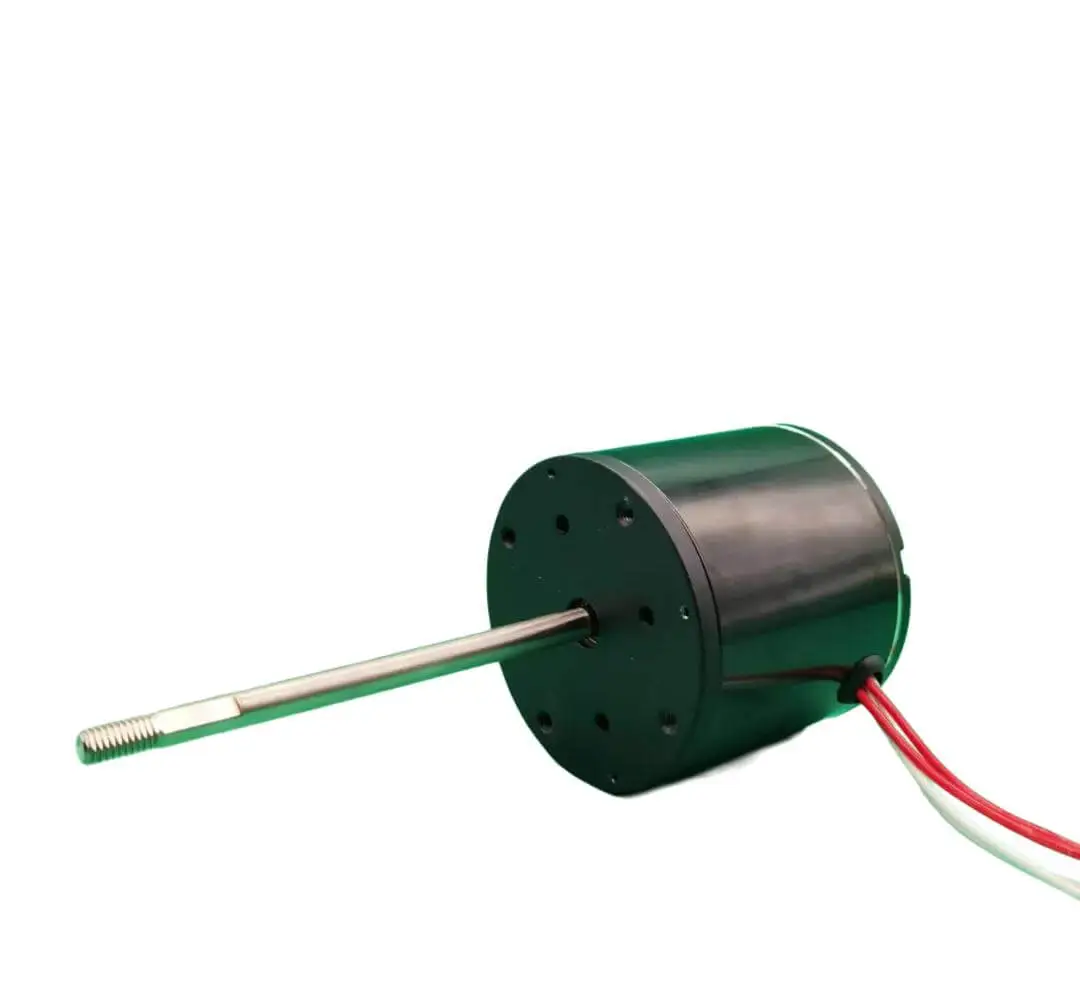
Many users encounter a few common mistakes during electric motor maintenance. Some include:
Maintaining an electric motor is critical for efficiency and longevity in industrial applications. Regular visual inspections, proper cleaning, meticulous attention to electrical connections, consistent lubrication, and monitoring performance through vibration analysis should form the backbone of your maintenance routine. Implementing a maintenance schedule can lead to a 30% increase in motor lifespan and a significant decrease in operational costs over time.
Typically, electric motors should be inspected at least quarterly, but more frequent checks (monthly) are advisable in high-use applications.
Common indicators of an overloaded electric motor include unusual noises, overheating, frequent tripping of circuit breakers, and a noticeable decrease in performance.
Yes, electric motors often require specialized lubricants that can withstand specific operational temperatures and provide sufficient protection against wear. Always consult the manufacturer's recommendations.


