In the field of electrical equipment, the thermal stability of insulating materials directly determines the service life and reliability of motors. As the core power source for household appliances and small mechanical equipment, the insulation system of a single-phase AC motor must withstand multiple challenges including long-term operating temperatures, instantaneous overloads, and environmental factors. The International Electrotechnical Commission (IEC) and various national standard systems have systematically classified the thermal endurance classes of insulating materials, establishing a comprehensive set of temperature resistance evaluation standards.
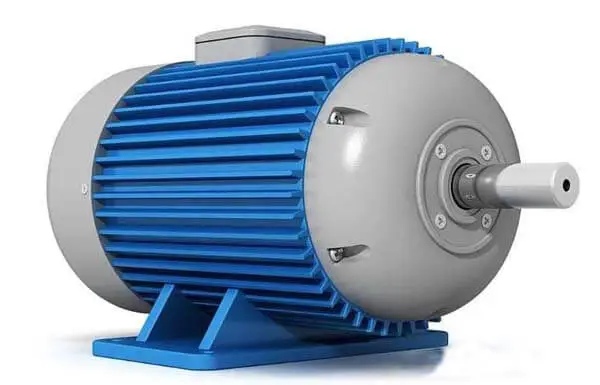
The currently universal standard for thermal insulation classes uses alphabetical code classification, primarily consisting of the following seven classes:
1. Class Y (90°C): Uses non-impregnated natural materials like cotton yarn and silk, now being gradually phased out.
2. Class A (105°C): Uses impregnated organic materials such as cotton and paper, commonly found in older motors.
3. Class E (120°C): Uses synthetic materials like polyester resin and epoxy resin, often used in micro motors.
4. Class B (130°C): Uses composite materials like mica, asbestos, and organic binders.
5. Class F (155°C): Uses combinations of modified polyesterimide resins and inorganic fillers.
6. Class H (180°C): Uses high-temperature materials such as silicone rubber and aramid polymers.
7. Class C (>180°C): Uses specialty materials like polyimide and ceramic fibers.
The temperature value corresponding to each class represents the maximum allowable temperature the material can withstand continuously within its expected lifespan (typically 20,000 hours). Experimental data indicates that for every 8-10°C the operating temperature exceeds the rated value, the aging rate of the insulating material doubles.
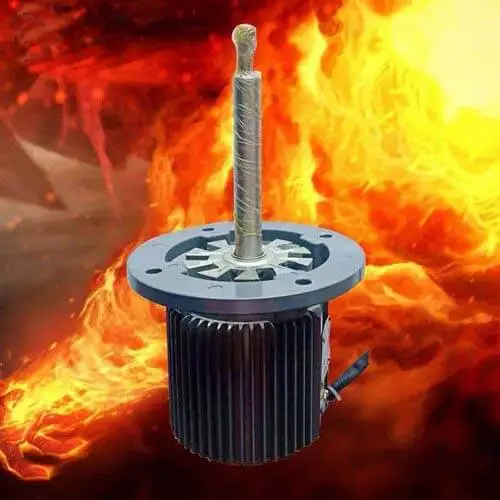
Modern single-phase AC motors commonly employ insulation systems from Class E to Class H. Their typical construction includes:
1. Magnet Wire Insulation: Polyester or polyamide-imide enamelled wire (Class F-H).
2. Slot Insulation: DMD (Polyester Film-Polyester Nonwoven Fabric-Polyester Film) composite material.
3. Phase Insulation: Laminated materials of aramid paper and PET film.
4. Lead Wires: Silicone rubber or cross-linked polyethylene insulated cables.
5. Impregnating Varnish: Modified polyester resin or epoxy resin (Class B-F).
Taking a common capacitor-run single-phase motor as an example, its stator winding uses 155°C class polyesterimide enamelled wire combined with Class F impregnating varnish. The overall insulation system is designed with a temperature rise margin exceeding 25K, ensuring long-term reliable operation at an ambient temperature of 40°C.
1. Thermal Aging Mechanism: Insulating materials undergo chemical reactions such as molecular chain scission and oxidative pyrolysis at high temperatures. Tests show that after 5000 hours of aging at 155°C, the dielectric strength of Class F material can still maintain over 80% of its initial value.
2. Thermal Cycling Stress: Thermal expansion differences during start-stop cycles can cause delamination of insulation layers. Class H silicone rubber insulation can withstand over 10,000 cycles of thermal shock testing from -40°C to 180°C.
3. Local Overheating Protection: Under abnormal conditions like bearing overheating or winding short circuits, Class C ceramic insulation materials can withstand temperatures above 300°C for short periods.
4. Environmental Adaptability: In damp-heat environments, the water absorption rate of Class F and higher insulation materials needs to be controlled within 1.5% (under conditions of 23°C/93% RH).
1. Thermal Life Test: Conduct accelerated aging tests according to IEC 60034-18 standard, estimating actual lifespan using the Arrhenius equation.
2. Thermogravimetric Analysis (TGA): Determines material decomposition temperature. For example, the temperature at which a high-quality Class H material loses 5% weight in a nitrogen atmosphere should be >300°C.
3. Partial Discharge Detection: Evaluates insulation defects. The discharge magnitude for a Class F system at 1.5 times the rated voltage should be <10 pC.
4. Mechanical Strength Test: After aging at 200°C for 1000 hours, the tensile strength retention rate of insulation paper needs to be >65%.
1. Household Appliances (e.g., washing machines, air conditioner fans): Class E-F insulation is recommended, as operating temperatures typically do not exceed 105°C.
2. Industrial Equipment (e.g., air compressors, water pumps): Class F-H insulation is advised to accommodate winding temperature rises of 50-60K.
3. Special Environments (e.g., ovens, drying equipment): Class H or higher insulation is mandatory, often coupled with forced cooling systems.
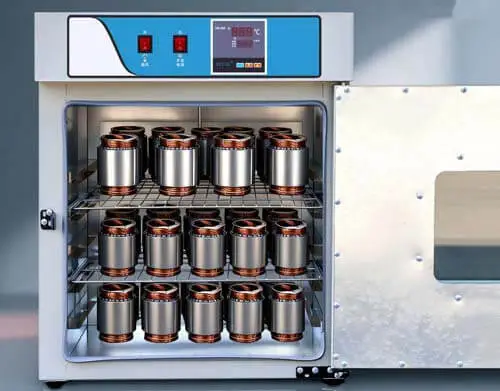
4. Variable Frequency Drive Applications: Choose Class F insulation systems with partial discharge suppression to handle high-frequency pulse voltages.
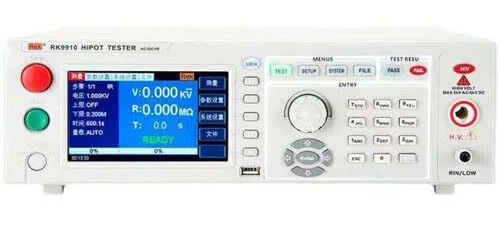
Regular measures such as testing insulation resistance (measured value with a 500V megohmmeter should be >1 MΩ), monitoring winding temperature (using infrared thermometry or embedded PT100 sensors), and keeping ventilation ducts clean can significantly extend insulation life. If insulation resistance drops to 50% of its initial value or a burning smell is detected, immediate shutdown and inspection are required.
With the development of nano-modification technology, new insulating materials like alumina-filled polyimide and boron nitride composite films are pushing the boundaries of traditional temperature limits. Future insulation systems for single-phase motors will trend towards thin-profile, high thermal conductivity designs, improving heat transfer efficiency while maintaining electrical performance. This is significant for the energy efficiency upgrades of household appliances and the miniaturization of industrial equipment. When selecting a electric motor, users should pay attention not only to power and speed parameters but also prioritize the insulation class designation to ensure compatibility with actual operating conditions.

